

How to Clean Grout: The Ultimate Guide to Sparkling Floors
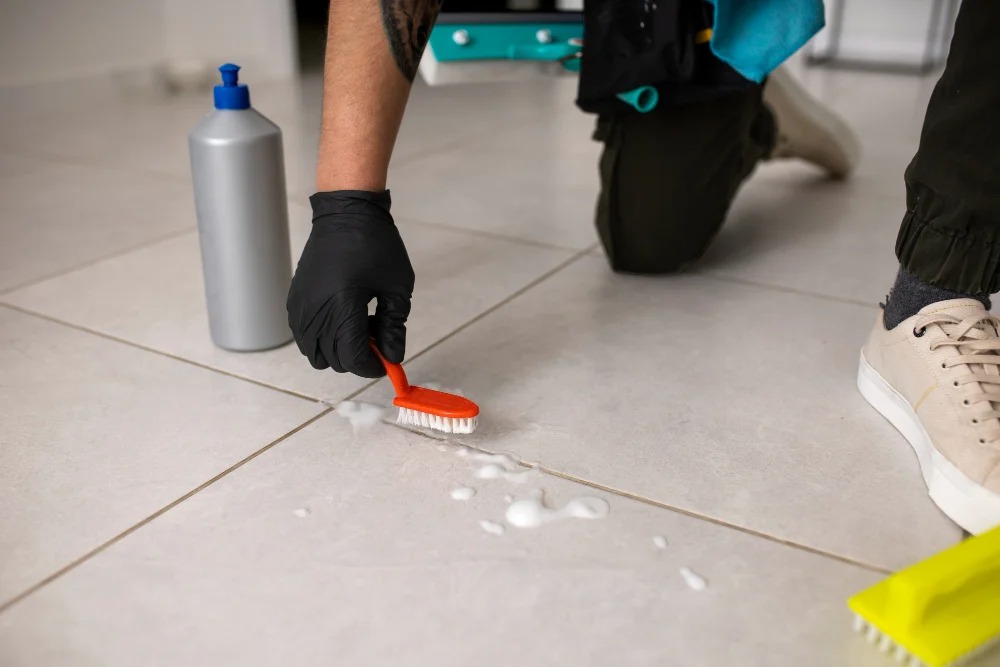
Ever looked down at your marble tiled floors and thought, “When did my grout turn from white to… whatever that is?” You’re not alone. Grout, the unsung hero holding our tiles together, often becomes the victim of neglect. But fear not! With the right techniques and a bit of elbow grease (or not, if you prefer), you can restore your grout to its former glory. At Clean and Shine Dubai, we specialize in bringing life back to your floors. Whether you’re a DIY enthusiast or prefer professional help, this guide covers all bases. Why Grout Cleaning Matters Grout isn’t just about aesthetics; it’s about hygiene and longevity. Dirty grout can harbor mold, mildew, and bacteria, posing health risks and deteriorating your tiles over time. Regular marble cleaning not only keeps your marble floors looking fresh but also extends their lifespan. Understanding Grout and Tile Types Before diving into cleaning methods, it’s crucial to identify your grout and tile types: Sanded Grout: Contains sand particles; used for wider joints. Unsanded Grout: Smooth texture; ideal for narrow joints. Epoxy Grout: Highly durable and stain-resistant. Tile surfaces vary too: ceramic, porcelain, natural stone; all requiring specific care. Knowing your materials ensures effective and safe cleaning. Further Read: Step-by-Step Guide – Marble Polishing Process How to Clean Grout Between Floor Tiles Preparation: Sweep or vacuum the area to remove loose dirt. Apply Cleaning Solution: Mix equal parts baking soda and water to form a paste. Apply it to the grout lines. Scrub: Use a stiff-bristled brush to scrub the grout. For tougher stains, a mixture of hydrogen peroxide and baking soda can be more effective. Rinse: Wipe the area with a damp cloth to remove residue. Dry: Ensure the area is thoroughly dried to prevent mold growth. How to Clean Floor Tile Grout Without Scrubbing Not a fan of scrubbing? You’re not alone. Here are some no-scrub methods: Steam Cleaning: Utilizing a steam cleaner can effectively loosen dirt and kill bacteria without chemicals. Oxygen Bleach: Mix oxygen bleach with water, apply to the grout, let it sit for 10–15 minutes, then rinse. Vinegar and Baking Soda: Sprinkle baking soda on grout, spray with vinegar, let it fizz, then wipe clean. These methods minimize physical effort while effectively cleaning grout. Read More: How to Restore the Glowing Brilliance of Your Marble Floor: Tips and Insights Best Way to Clean Grout on Floors – Expert Recommendations Experts suggest a combination of methods for optimal results: Regular Maintenance: Clean spills promptly and mop floors regularly to prevent buildup. Deep Cleaning: Schedule periodic deep cleans using appropriate methods based on grout and tile type. Professional Services: For extensive areas or stubborn stains, consider hiring professionals who use specialized equipment for optimal results. Check out Clean and Shine’s professional deep cleaning services to free yourself from all the dirt and grout woes! How to Clean Light Grout Without Discoloration Light-colored grout is prone to discoloration. To clean without causing damage: Use pH-neutral cleaners: Avoid acidic or alkaline cleaners that can cause discoloration. Avoid Bleach: Bleach can yellow light grout over time. Regular Sealing: Apply a grout sealer every 6–12 months to protect against stains. How to Clean Black Grout on Floor Tiles Black grout can fade or develop a white haze. To maintain its appearance: Avoid Harsh Cleaners: Acidic or bleach-based cleaners can cause fading. Use Mild Detergents: Opt for gentle, pH-neutral cleaners. Regular Cleaning: Prevent buildup that can cause discoloration. Proper Sealing: Seal black grout to protect against stains and fading. Get into details about black grout and how to prevent it by reading this guide on how to clean grout that has turned black. How to Clean Orange Stains in Shower Grout Orange stains are often caused by hard water or bacteria. To remove them: Vinegar Solution: Spray a mixture of equal parts vinegar and water onto the stains, let sit, then scrub gently. Baking Soda Paste: Apply a paste of baking soda and water, let it sit, then rinse. Hydrogen Peroxide: For persistent stains, apply hydrogen peroxide, let it sit, then rinse thoroughly. Read More: How can I make my marble floor shine? The Power of Steam: Why Steam Clean Grout Services Are a Game Changer Steam cleaning offers a chemical-free, efficient way to clean grout: Deep Cleaning: Steam penetrates grout pores, removing embedded dirt. Sanitization: Kills bacteria and mold without harsh chemicals. Eco-Friendly: Reduces the need for chemical cleaners. Professional steam cleaning services provide thorough and efficient grout cleaning solutions. Mistakes to Avoid When Cleaning Grout Overusing Harsh Chemicals: Can erode grout and damage tiles. Neglecting Sealing: Unsealed grout is more susceptible to stains and moisture. Using Abrasive Tools: Can scratch tiles and wear down grout. Inconsistent Cleaning: Irregular maintenance leads to stubborn stains and buildup. Long-Term Grout Maintenance Tips Regular Cleaning: Wipe down tiles and grout weekly to prevent buildup. Prompt Spill Management: Clean spills immediately to avoid staining. Periodic Sealing: Apply a grout sealer every 6–12 months. Use Door Mats: Reduce dirt tracked onto tiled floors. Consistent maintenance prolongs the cleanliness and integrity of your grout. Professional Services: A Worthwhile Investment Considering the challenges of grout cleaning, many homeowners opt for professional services. The average cost for tile and grout cleaning ranges from $0.76 to $0.94 per square foot, depending on various factors. While this might seem like an added expense, the benefits—thorough cleaning, time savings, and extended tile lifespan—often outweigh the costs. Why Choose Clean and Shine For residents in Dubai, Clean and Shine offers: Expertise: Trained professionals adept at handling various grout and tile types. Advanced Equipment: Utilization of state-of-the-art steam cleaning technology. Customized Solutions: Tailored cleaning plans to suit individual needs. Eco-Friendly Practices: Commitment to environmentally safe cleaning methods. Trust Clean and Shine for comprehensive grout cleaning services that restore the beauty of your floors. Conclusion Maintaining clean grout is essential for both the appearance and hygiene of your floors. By understanding the appropriate cleaning methods and committing to regular maintenance, you can ensure your tiles remain as stunning
Marble Magic: Unveiling the Cost of Polished Perfection
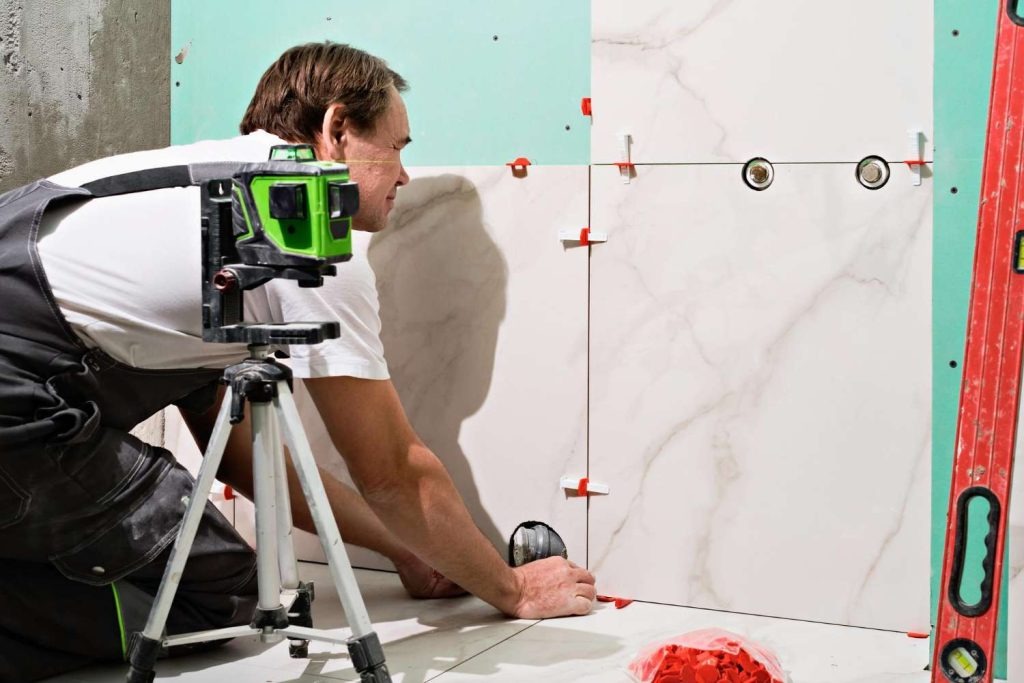
With its timeless elegance and enchanting allure, Marble has adorned palaces, temples, and stately mansions for centuries. Its smooth surface and intricate veining make it a symbol of luxury and sophistication. However, maintaining its resplendent charm requires regular care, with polishing an essential aspect of marble upkeep. In this exciting journey through the world of marble magic, we’ll explore the cost of polishing marble and uncover the secrets to preserving this precious stone’s allure. The Enigma of Marble Marble, a metamorphic rock formed from limestone under immense pressure and heat, is a geological marvel. The diversity of colors and patterns present in marble is like a kaleidoscope of nature’s creativity. From the pristine white of Carrara marble to the deep emerald green of Connemara marble, each piece is unique, rendering a mystique that captivates the eye and the heart. The Priceless Benefits of Polishing Polishing is the key to unlocking the true potential of marble. It’s akin to unveiling a hidden masterpiece, revealing the stone’s lustrous shine and enhancing its colors. Polishing removes scratches, stains, and dullness, revitalizing the marble’s surface and elevating its overall aesthetic. Furthermore, it forms a protective layer that shields the marble from future damage, ensuring its longevity. Unravelling the Cost Factors You might wonder, “How much does it cost to polish my beloved marble?” The answer lies in a few essential factors: Marble Type: The type of marble influences the cost, as some varieties are more delicate and require specialized polishing techniques. Rare and exotic marble, such as Calacatta Gold or Blue Bahia, may cost more to polish due to their unique properties. Surface Area: The larger the surface area, the more labor and time required for polishing. A grand marble foyer or a vast marble countertop will naturally incur higher costs. Level of Damage: The extent of scratches, stains, or etches on the marble will impact the cost. Severe damage may demand additional steps in the polishing process. Accessibility: If the marble is in an area that’s challenging to reach, such as high walls or tight corners, the polishing process may be more complex, affecting the overall cost. Calculating the Costs The average cost to polish marble can vary, but it typically ranges from $3 to $8 per square foot. This estimate includes labor, materials, and equipment required for polishing. The cost may lean towards the higher end of the spectrum for larger projects or premium marble types. Understanding the Square Footage To begin estimating the cost of polishing your marble, measuring the square footage of the area you want to be polished accurately is essential. This can be done by measuring the length and width of the marble surface and multiplying the two measurements together. If you have multiple areas to be polished, measure each separately and add the total square footage. Evaluating the Marble Condition Before finalizing the cost, assess the condition of your marble. Is it scratched, stained, or dull? Are there etch marks caused by acidic substances? Identifying the level of damage will help the polishing professionals determine the necessary steps and resources to restore its former glory. This evaluation will play a crucial role in calculating the overall expense. 4.3 Factoring in Marble Type and Rarity Marble comes in various types, each with its unique characteristics and rarity levels. The more exotic and rarer the marble, the higher the cost of polishing. Factors such as porosity and hardness will influence the complexity of the polishing process and, consequently, the price. Be sure to inform the professionals about the specific type of marble you have to get an accurate cost estimate. Delving into Additional Services Sometimes, a simple polishing may not be enough to restore your marble to its pristine state. Additional services like crack repairs, filling holes, or honing may be necessary in such cases. These extra services can impact the overall cost, so discussing any potential additional work with the polishing experts is essential. Professional Labor and Expertise A significant portion of the polishing cost goes into skilled labor. Professionals with experience in marble polishing possess the expertise to handle the intricacies of the process efficiently and effectively. While their services might come at a higher cost, the quality of workmanship is well worth the investment. The Role of Equipment and Materials Polishing marble requires specialized equipment and materials to achieve the desired results. Diamond-embedded polishing pads, polishing compounds, and sealers are among the essential tools of the trade. The cost of these materials and their utilization during the polishing process will be factored into the overall cost. Geographical Location The location of your residence or business can also impact the cost of marble polishing. Urban areas or regions with a higher cost of living may have slightly higher rates of labor and services. On the other hand, rural areas might offer more competitive pricing. However, it’s crucial to prioritize quality over cost, as skillful marble polishing is an art that requires expertise. DIY or Professional Polishing? As with any art form, mastering the art of marble polishing requires skill and experience. While some adventurous souls may consider a DIY approach, it’s essential to recognize the risks involved. Using improper tools or techniques might result in irreparable damage to the marble, ultimately leading to higher repair costs. Finding the Right Marble Maestro Selecting a skilled professional to perform the marble polishing dance is crucial. Seek out reputable companies with a proven track record in the industry. Read reviews, request quotes, and inquire about their polishing process to ensure they use the latest technologies and eco-friendly products. A Forever Investment In conclusion, the cost of polishing marble may seem like a substantial upfront expense, but it’s an investment in the longevity and magnificence of this timeless stone. With proper care and periodic polishing, marble can stand the test of time and continue to enchant future generations. Wrap-up: The Shining Star of Your Home Embracing the beauty of marble and embracing the cost of polishing is like nurturing a
A Comprehensive Guide: Is There a Way to Polish Marble?
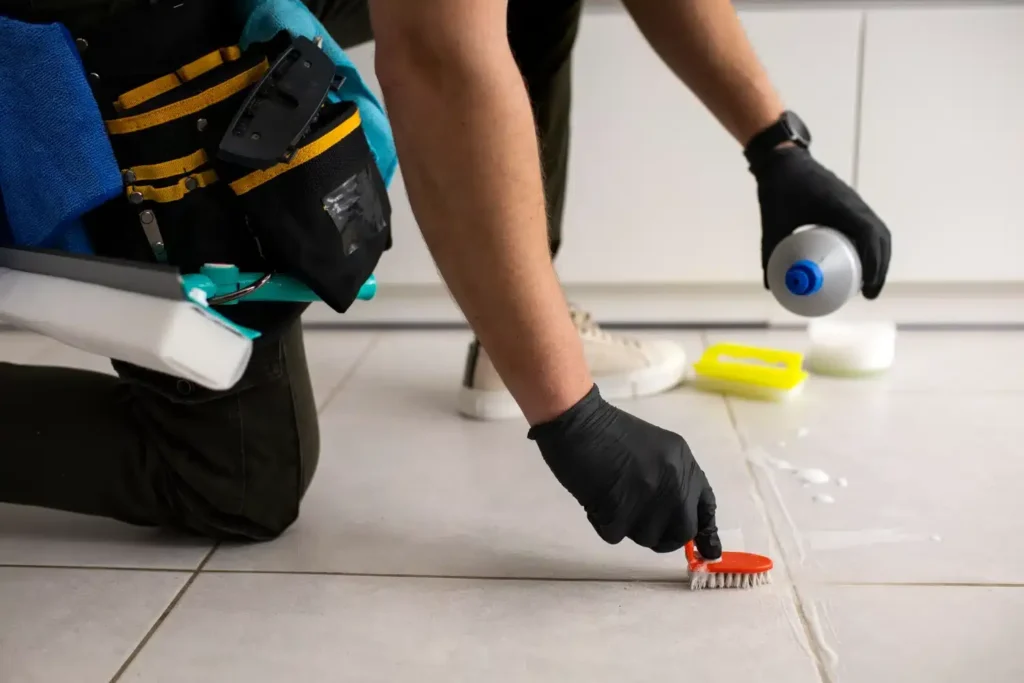
Marble has been revered throughout history for its timeless beauty, elegance, and durability. From ancient sculptures to modern architectural masterpieces, marble has found its way into countless applications. However, marble requires proper care and maintenance to preserve its lustrous appearance like any natural stone. One essential aspect of marble maintenance is polishing. This blog will delve into polishing marble, exploring its reasons, the different polishing methods available, and valuable tips to ensure your marble surfaces retain their natural splendor. Why Polish Marble? Marble’s inherent charm lies in its unique veining and color variations. Over time, though, marble can lose its shine due to factors such as foot traffic, spills, chemical exposure, and general wear and tear. Polishing marble not only restores its original luster but also adds a protective layer to enhance its resistance to staining, scratches, and other forms of damage. Furthermore, polishing helps to even out the stone’s surface, reducing the appearance of minor imperfections and blemishes. Types of Marble Finishes Before we delve into the polishing process, it’s essential to understand the different types of marble finishes: Honed Finish: This matte or satin-like finish offers a smooth, low-sheen surface. It is famous for areas where a polished finish, such as bathroom floors, might be too slippery. Polished Finish: This high-gloss, mirror-like finish is the most common type of marble finish. It highlights the natural colors and patterns of the stone, making it a preferred choice for countertops, floors, and decorative elements. Leathered Finish: This finish gives the marble a textured appearance with a slight sheen. It is achieved by brushing the stone’s surface with a rugged, leather-like texture. Methods of Polishing Marble Several methods are employed to polish marble, each with its distinct advantages and best-suited applications: Traditional Polishing: This method involves polishing powders or compounds with handheld buffers or polishing machines. It is suitable for smaller areas or specific spot treatments. Diamond Polishing: This technique is highly effective for larger surface areas by utilizing diamond-embedded pads. It involves a series of progressively finer grits to achieve a high-gloss, reflective finish. Crystallization: Commonly used for maintenance polishing, this process involves the application of a chemical compound that reacts with calcium in the marble, resulting in a polished surface. Essential Tips for Polishing Marble Surface Preparation: Before polishing, ensure the marble surface is thoroughly cleaned, either do it yourself or hire deep cleaning services. and free of debris, dirt, or stains. Use a pH-neutral cleaner to avoid damage to the stone. Test in a Small Area: If you’re attempting to polish marble yourself, test the chosen method in a small, inconspicuous area first to ensure it produces the desired results. Protect Surrounding Surfaces: When using chemical compounds or polishing powders, protect adjacent surfaces from potential splatters or spills by covering them with plastic or cloth. Use Proper Tools: Invest in professional-grade polishing machines or hire experienced professionals for the best results for larger areas or extensive polishing projects. Regular Maintenance: To extend the life of your marble’s shine, adopt a regular maintenance routine that includes gentle cleaning and using coasters and mats to protect against spills and scratches. Warning signs in professional marble floor polishers When hiring marble floor polish services, you must be cautious and diligent to ensure that you choose a reputable and reliable company. Marble is a delicate and expensive material, and improper polishing techniques can lead to irreversible damage. To avoid potential pitfalls and disappointments, here are some crucial warnings to look for while hiring marble floor polish services: Lack of Experience and Expertise: Ensure that the company you choose has extensive experience working with marble floors. Look for a service provider with a proven track record of successful marble polishing projects. An experienced team will be more knowledgeable about the intricacies of different marble types, finishes, and the appropriate polishing techniques for each. Absence of References or Customer Reviews: Always ask for references or seek customer reviews and testimonials about the company’s services. A reputable marble floor polish service will gladly provide references from satisfied customers. Positive reviews indicate the company’s professionalism and the quality of its work. Uninsured or Unlicensed: Never hire a marble floor polish service without proper insurance coverage and licensing. Insurance protects you and the workers in case of accidents or damage to your property during the polishing process. A valid license also demonstrates that the company meets industry standards and regulations. Vague Pricing: Beware of companies that provide unclear or ambiguous pricing structures. Reputable marble floor polish services will offer detailed and transparent estimates outlining the work scope, materials, and any additional charges. Hidden fees can lead to budget overruns and unnecessary stress. Lack of Polishing Equipment and Technology: Properly polishing marble floors requires specialized equipment and modern technology. Please inquire about the tools and techniques the company uses for their services. A professional service provider should have access to advanced machinery, such as diamond-embedded polishing pads, to achieve high-quality results. No Written Contract: Avoid working with companies that do not provide written contracts. A detailed contract should outline the terms and conditions of the project, including the scope of work, timeline, pricing, and any guarantees or warranties. Having everything in writing ensures clarity and protects both parties’ interests. Refusal to Inspect the Marble: Reputable marble floor polishing company in Dubai will thoroughly inspect your marble floors before providing a quote. Be cautious of companies that offer a price without evaluating the condition of your floors. A proper assessment is essential to determine the appropriate polishing techniques for your specific marble. Use of Harmful Chemicals: Ask the company about the products they use for polishing. Avoid services that rely on harsh chemicals that may damage the marble or harm the environment. Choose eco-friendly and pH-neutral solutions that are safe for your marble surfaces. Lack of Aftercare Recommendations: A trustworthy marble floor polish service will provide aftercare instructions to maintain the polished marble’s appearance. This includes advice on cleaning methods, proper use of sealants, and tips to prevent
How to Restore the Glowing Brilliance of Your Marble Floor: Tips and Insights
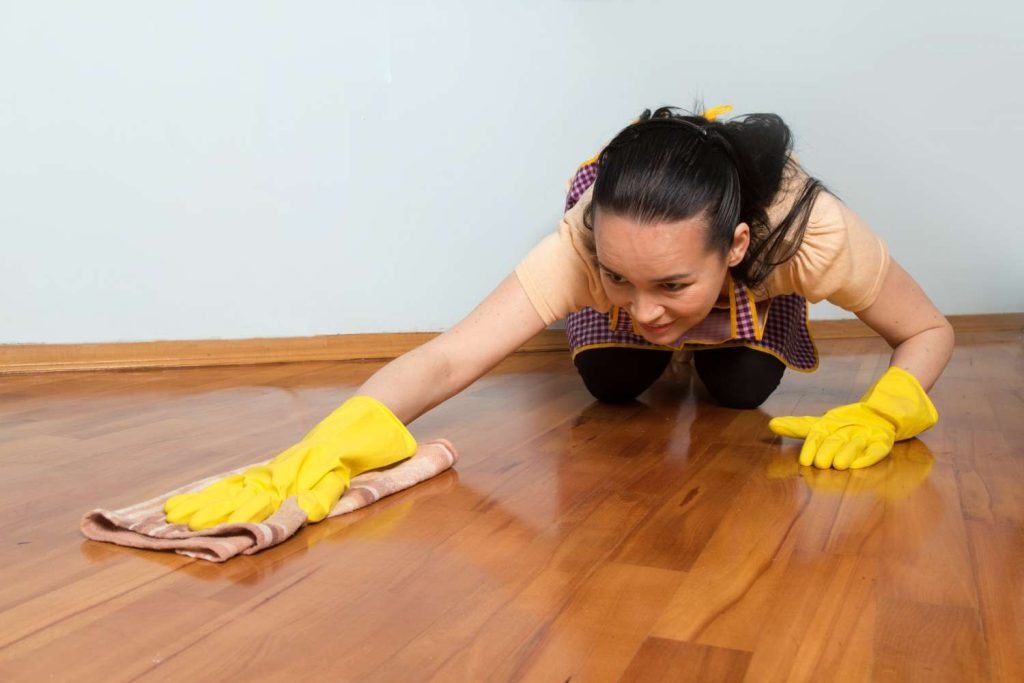
Marble floors are an exquisite addition to any home or commercial space, providing a timeless charm and elegance that few other materials can match. However, over time, foot traffic, spills, and general wear can cause the once-gleaming surface to lose its shine, leaving homeowners wondering how to restore its former glory. This blog will explore the benefits of maintaining a shiny marble floor, the drawbacks of over-cleaning, and provide valuable tips on hiring professional marble cleaners to ensure flawless restoration. Thorough Cleaning: Before beginning the restoration process, cleaning your marble floor is crucial. Use a soft broom or vacuum with a brush attachment to remove loose dirt, dust, or debris. Then, mop the floor with a mild, pH-neutral cleaner and warm water. Avoid acidic or abrasive cleaners, as they can damage the marble surface. Removing Stains: If your marble floor has stubborn stains, treat them before proceeding with the restoration. Use a baking soda and water poultice or a commercial marble stain remover. Apply the poultice over the stain, cover it with plastic wrap, and let it sit for 24 to 48 hours (about 2 days). The poultice will draw out the stain from the marble. Gentle Buffing: You can gently buff the affected area with a soft microfiber cloth for light surface scratches or etch marks. Apply some marble polishing powder or baking soda to the cloth and rub the scratched area in a circular motion. This process helps to restore the shine and smooth out minor imperfections. Polishing: To achieve a glossy finish on your marble floor, polishing is essential. Two types of marble polishers are available: topical and crystallisation. Topical polishers create a protective layer on the marble surface, while crystallization polishers chemically react with the marble to create a shiny finish. Hiring a professional for this step is recommended to ensure a uniform and long-lasting result. Sealing Once your marble floor is polished and restored to its former glory, apply a high-quality marble sealer to protect it from future stains and damage. The sealer will act as a barrier, preventing spills and liquids from penetrating the marble pores. Regular Maintenance After restoring your marble floor, it’s essential to maintain it properly to preserve its shine. Avoid using harsh chemicals, acidic cleaners, or abrasive tools during regular cleaning. Instead, stick to a gentle pH-neutral cleaner and a soft microfiber mop. Moreover, you can hire a cleaning company to take the job. Use Rugs and Mats Place rugs and mats in high-traffic areas, such as entrances and hallways, to protect your marble floor from scratches and wear caused by dirt and grit. Promptly Clean Spills Marble is sensitive to acidic substances like fruit juices, wine, and vinegar. Clean up spills immediately to prevent etching or staining. Avoid High Heels and Heavy Furniture High heels and heavy furniture can leave scratches or dents on marble floors. Use furniture pads to protect the floor from any potential damage. Must Read: How can I make my marble floor shine? Benefits of a Shiny Marble Floor Marble floors give the place an elegant look, with the right approach and care, you can easily restore the glowing brilliance of your marble floor. Aesthetics: A shiny marble floor exudes sophistication and opulence, enhancing the overall visual appeal of any space. Brightness: Reflective surfaces amplify natural light, making rooms appear larger and brighter, uplifting the ambiance. Durability: Polished marble is more resistant to scratches and stains, prolonging the floor’s lifespan. Easy Maintenance: The smooth surface of polished marble is easier to clean and maintain than other flooring options. Hygiene: Polished marble surfaces are less porous, reducing the chances of harboring bacteria and allergens. Temperature Regulation: Marble can naturally maintain a cool temperature, offering a comfortable environment, especially in warmer climates. Value Addition: A well-maintained marble floor can significantly increase the resale value of a property. It gives your home an elegant look. Moreover, marble floor car easy to clean if you hire cleaning company on regular basis. Versatility: Marble comes in various colors and patterns, allowing homeowners to match their interior design themes effortlessly. Longevity: When properly cared for, a polished marble floor can retain its shine for many years. Eco-Friendly: Marble is a natural material that doesn’t require harsh chemicals during polishing, making it an environmentally friendly flooring choice. Drawbacks of Over-Cleaning Marble Floors Marble floors are very delicate, and over-cleaning can ruin their shine. Keep reading to avoid a few things to keep the floor in good shape. Etching: Over-cleaning with acidic or harsh cleaning agents can lead to etching, leaving dull spots and marks on the marble surface. Loss of Sealant: Excessive cleaning can strip away the protective sealant, making the marble more susceptible to stains and damage. Discoloration: Overuse of certain cleaning products may alter the color of the marble, causing irreversible discoloration. Micro abrasions: Frequent abrasive cleaning can result in micro-abrasions, diminishing the glossy finish of the marble. Costly Repairs: Over-cleaning-induced damage may require professional restoration, which can be expensive and time-consuming. Tips to Hire Professional Marble Cleaners Marble floors are renowned for their exquisite beauty and timeless elegance, but they may lose their luster over time due to wear and tear. Research and Referrals: Conduct thorough research to find reputable marble cleaning companies with positive customer reviews. Seek referrals from friends, family, or neighbors with experience with marble floor cleaning services. Experience and Expertise: Look for companies with extensive experience cleaning and restoring marble floors. Check if they specialize in marble specifically, as it requires unique care compared to other types of flooring. Insurance and Licensing: Ensure the cleaning company is fully insured and licensed to protect yourself from potential liabilities. Free Estimates: Request on-site inspections and free estimates from multiple companies to compare prices and services. Ask About the Process: Inquire about the cleaning methods and products they use to ensure they won’t cause harm to your marble floor. Guarantee or Warranty: Choose a company that offers a satisfaction guarantee or warranty for their services to ensure
How can I make my marble floor shine?

With its timeless elegance and luxurious appeal, Marble has been a favorite choice for interior decor for centuries. Whether it adorns the floors, countertops, or statues, marble exudes an aura of sophistication that few other materials can match. However, regular maintenance and proper care are essential to maintain its pristine beauty and lustre. Enter the art of marble polishing, a delicate process that can breathe new life into your marble surfaces. Let us discover more about the best way to polish a marble floor and how to hire professionals. Understanding Marble Polishing Marble polishing is a process that restores the natural shine and smoothness of marble surfaces, which may have become dull or damaged over time. The process involves using diamond polishing pads with varying grit levels to remove imperfections and scratches from the surface gradually. Marble polishing compounds, specially designed for the stone, achieve a higher shine and luster. Professional marble polishers have the expertise to determine the appropriate techniques and products based on the type of marble and the extent of wear and tear. Regular maintenance is essential to preserve the polished finish and keep marble surfaces looking pristine for an extended period. Marble polishing not only enhances the stone’s beauty but also helps improve its longevity by protecting it from stains and damage caused by spills and acidic substances. Etching occurs on marble surfaces when acidic substances like vinegar or lemon juice react with the calcium carbonate in the stone, causing dull spots or marks. Polishing marble involves multiple stages, from coarse abrasion to gradually finer grits until the desired level of shine is achieved. Interesting Fact: The Taj Mahal, one of the world’s most iconic examples of marble architecture, is an impressive feat of marble polishing and craftsmanship. The monument was built using white marble from the Makrana region of India, and the intricate marble inlays and carvings on its facade showcase the exquisite artistry of the Mughal artisans. To this day, the Taj Mahal is a timeless testament to the beauty and allure of marble and the meticulous art of marble polishing. The Best Way to Polish Marble While there are various methods for marble polishing, here’s a step-by-step guide to the best and most effective approach: Preparation: Before polishing, ensure the marble surface is thoroughly cleaned to remove any dust, debris, or spills. Use a mild, pH-balanced soap and water solution, as harsh chemicals may damage the marble. Gentle Abrasion: Employ a low-grit diamond polishing pad to rub the marble surface gently. This initial step helps to remove surface imperfections, scratches, and minor stains. It’s crucial to proceed with care, applying even pressure and avoiding excessive force to prevent further damage. Gradual Polishing: Gradually progress to higher-grit diamond pads, working your way up to achieve a finer finish. Each pad will remove the scratches left by the previous one, smoothing the surface and enhancing the marble’s shine. Compound Polishing: Utilize a marble polishing compound, a combination of abrasives and chemicals designed specifically for marble surfaces. Apply the compound using a buffing machine with a soft pad, gently working it into the marble until the desired luster is achieved. Honing and Sealing: Honing may be necessary for marble surfaces with deeper scratches and etches. Honing involves more aggressive abrasion to level the surface. After polishing and honing, consider applying a marble sealer to protect the surface from future stains and damage. Regular Maintenance: To preserve the polished finish, adopt a regular maintenance routine. Clean spills promptly, avoid using acidic or abrasive cleaners and use soft, non-scratch materials for wiping and cleaning. Marble Polishing – Unlocking the Radiance Marble polishing is an art form that requires both skill and precision. Professional marble polishers have extensive knowledge of the various types of marble and the proper techniques to bring out their inherent beauty. Finding a reliable and skilled marble polishing expert is crucial to ensure your marble surfaces are treated with care and expertise. Ask for Recommendations: Reach out to friends, family, or colleagues who have had their marble surfaces polished. Ask about their experiences with the professionals they hired and whether they were satisfied with the results. Personal recommendations often carry more weight than online reviews. Check Online Reviews: Look for reviews and testimonials on platforms like Google, Yelp, or specialized websites for home services. Read through both positive and negative reviews to get a balanced understanding of the marble polishing experts in your area. Research Local Companies: Search for marble polishing companies or professionals in your local area. Visit their websites to learn more about their services, experience, and expertise. Look for specific certifications or affiliations that indicate their dedication to quality work. Verify Experience and Expertise: Look for professionals who specialize in marble polishing and have ample experience in the field. Check if they have successfully handled projects similar to yours and have any before-and-after pictures or portfolios to showcase their work. Ask for References: Don’t hesitate to ask the marble polishing expert for references from previous clients. Reach out to these references to inquire about their satisfaction with the service, the quality of work, and overall professionalism. Check for Insurance and License: Ensure that the marble polishing expert or company has proper insurance coverage to protect against accidental damage during the polishing process. Also, verify if they hold the necessary licenses to operate in your area. Get Multiple Quotes: Contact a few marble polishing experts and request quotes for your project. Compare the prices, services offered, and warranties included. Remember that the cheapest option may not always be the best in quality. Inquire About Techniques and Products: Ask about the techniques and products they use for marble polishing. A reputable expert should be able to explain their process and the products they use, ensuring they are safe and effective for your marble surfaces. Check for Guarantee or Warranty: A confident and professional marble polishing expert may offer a guarantee or warranty on their work. This indicates their commitment to customer satisfaction and
Step-by-Step Guide – Marble Polishing Process
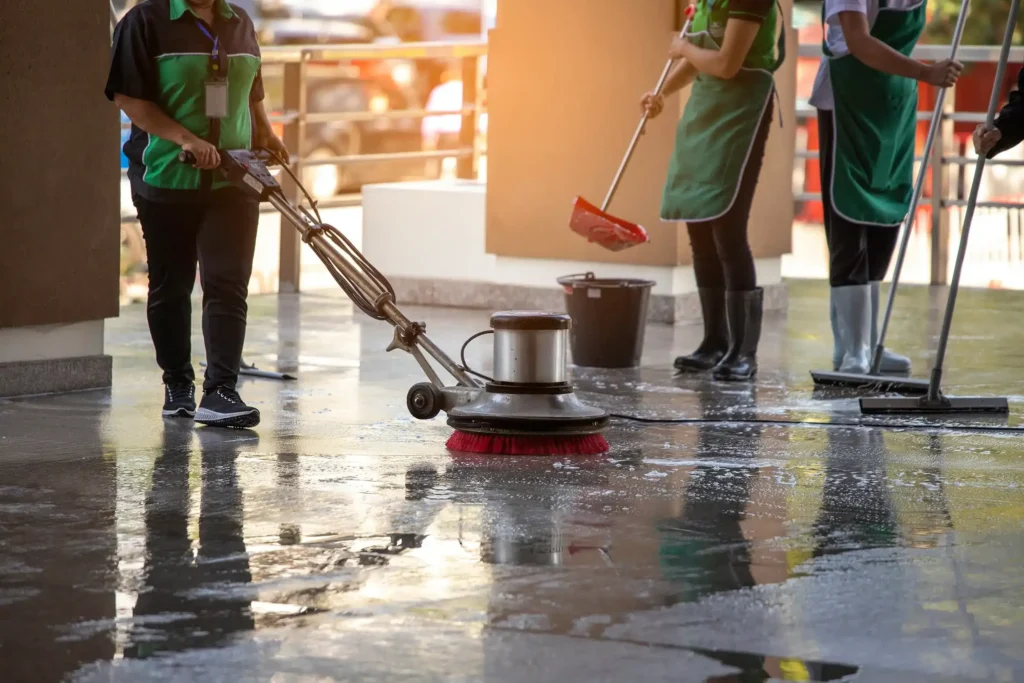
Freshly installed marble floors have an incomparable dazzling attractiveness. The splendor diminishes with time and the foot traffic of residents. The question is whether you can repair it. Therefore, let’s start this step-by-step guide explaining marble polishing process. We’ll demonstrate two techniques for polishing marble flooring. We first talk about dry floor polishing for small, cramped spaces like restrooms before moving on to wet polishing for rooms with more space and fewer obstructions. For those who want to guarantee brand-new results, we’ll wrap up with marble polishing process. Dry Floor Polishing Process Marble’s unique sparkle is hidden under the murky and scuffed surface. You have to make the necessary cleaning effort to restore its shine. Clear the room It is simpler to work in a room that is empty than it is to move furniture as you go. You’ll be able to concentrate on the task at hand, keep track of what has been polished, and avoid tracking polishing dust into nearby areas. Gather required gear While an orbital sander is the best tool for the job, you can also use a conventional drill or an angle grinder. If you’re unfamiliar with this instrument, just glancing at it will show you how well it can be controlled and apply intense downward pressure. You can understand why a palm sander is another name for an orbital sander. You need a set of diamond polishing pads for marble that ranges in grit from extremely coarse (50 to 100 grit) to pretty coarse (3000 grit). A backer pad is also included in most kits; it is the component that slides into the sander and grabs the Velcro backing of the pads. Lastly, it would help if you got your hands on a vacuum with a soft brush head. It comes in handy to clean all the fine dust after the job. If you feel overwhelmed with this information you can just search marble polishing near me and get it done by experts. Rejuvenate marble floor The coarsest (lowest number) pad, often 50, 64, or 100 grit, should be used to first go over your floor. To avoid gouging the marble, keep the sander moving and never stop using it in one place. Completely cover the floor. Never use the hard plastic vacuum head; always use a soft brush head. Doing this will prevent tarnishing the lovely surface you’ve just worked so hard to develop. If swirl marks appear on the marble surface after using a 50 or 100-grit pad, do not become alarmed. With finer pad grits, they will vanish. Repeat with a finer pad after polishing and vacuuming. The next step is to follow that procedure. The task will be more accessible, and the completed flooring will be more attractive as you add more grit. The marble should be vacuumed before regular cleaning procedures are used. Sealing the floor has significant significance. Don’t expose your floor to stains by leaving it exposed. It is not wrong to say that you alone cannot take on this lengthy job. We recommend hiring marble polish professional near you and let them handle. Things you’ll need for wet marble polishing. Get your hands on plastic tape and use it to cover cabinets and other furniture. Next, you need to rent a floor polishing machine because buying a new one will be expensive. Professional uses polishing pads. They have different color codes like Coarse/Red (400 grit), Medium/White (800 grit), Fine/Yellow (1500 grit), and Ultra-fine/Green (3000 grit). Marble polishing powder to go over the polished floor. Water is usually sprinkled onto the floor during the polishing. So, get yourself a water can. You should vacuum the water during the process. The best tool is a wet/dry vacuum. To avoid scratching your freshly polished floors with the shop vac’s hard plastic head, go for a squeegee with a rubberized head. It could leave scratches or scuffs. It’s Time to Polish the Floor. · Place the red pad in the center of the space. Center the polishing device on the pad by raising it and placing it there. The edge of the pad could protrude. For practice, we advise beginning in the center of the space. Use the watering can to liberally mist up to 100 square feet of flooring with water. Between polishing passes, the majority of the water has to be eliminated. Polish the marble in the opposite direction. Start at a nearby corner and move back and forth perpendicular to your initial pass. Repeat! As previously mentioned, use white, yellow, and green pads in sequence to replace the red pad, making four passes with each pad. Observe the instructions on polishing powder packaging for marble. You want a slurry roughly the same thickness as whole milk, or possibly somewhat thicker, for most products. Sprinkle powder and water on the floor simultaneously. Wrap up You’re not the only one if this sounds like more effort than you want to do or if it requires more knowledge than you have right now. Even skilled homeowners tend to opt for professional marble polishing. The primary cost determinant is the state of the floor. More money is spent on damaged marble and scratched floors before you start polishing. Clean and shine have staff with the expertise to provide marble polishing services in Dubai. You have to make an appointment.